[:es]Aplicación de arrays acústicos en la ingeniería forestal[:en]Application of acoustic arrays in forestry engineering[:]
[:es]La degradación de estructuras de madera por ataques de insectos xilófagos es un problema mundial en parte inevitable. Por otro lado, las emisiones acústicas (EA) son ondas elásticas en materiales sólidos causadas por fracturas en macro o microestructuras o por fricción, utilizadas de forma rutinaria como método estándar para estudiar la fatiga y otros fenómenos en ingeniería de materiales. En la madera, hace tiempo que se graban y registran sonidos con el objetivo de identificar el ataque activo de insectos.
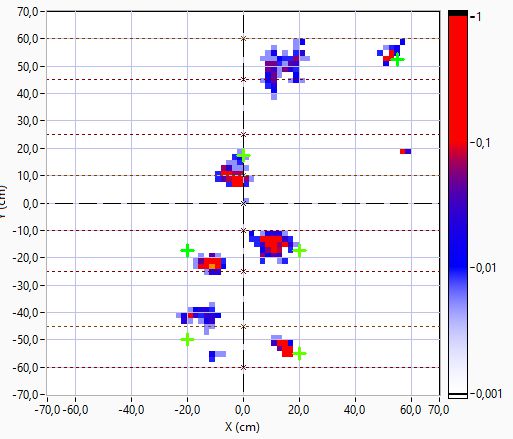
El objetivo de esta línea de investigación es encontrar y desarrollar una técnica de bajo coste y sin contacto, utilizando un array de micrófonos MEMS, capaz de detectar y localizar con precisión larvas activas de insectos xilófagos en el interior de la madera. El sistema en desarrollo podría también estar dirigido al control de infecciones en museos y otros lugares donde sea necesaria la protección de la madera patrimonial, infecciones involuntarias en el comercio internacional de madera, en el ensamblaje y uso de madera infectada y, en todos los casos, y permitiría la ejecución de tratamientos selectivos, dirigidos y localizados y la verificación de su éxito.[:en]
The degradation of wood structures by xylophagous insect attacks is a partly unavoidable worldwide problem. On the other hand, acoustic emissions (AE) are elastic waves in solid materials caused by fractures in macro- or microstructures or by friction, routinely used as a standard method to study fatigue and other phenomena in materials engineering. In wood, sounds have long been recorded and recorded for the purpose of identifying active insect attack.
The objective of this line of research is to find and develop a low-cost, non-contact technique, using a MEMS microphone array, capable of detecting and accurately locating active xylophagous insect larvae inside wood. The system under development could also be aimed at infection control in museums and other places where protection of heritage wood is necessary, unintentional infections in the international wood trade, in the assembly and use of infected wood and, in all cases, would allow the execution of selective, targeted and localized treatments and the verification of their success.[:]
[:es]Publicaciones relacionadas[:en]Related publications[:]
[table id=46 /]
[table id=47 /]