[:es]Sistemas acústicos de vigilancia[:en]Acoustic monitoring systems[:]
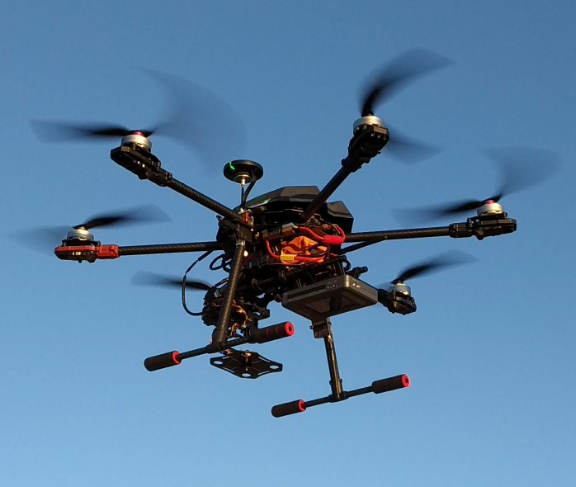
[:es]Mediante un conjunto extenso de sensores del mismo tipo (denominado array) constituidos por micrófonos y altavoces que se disponen en un plano con una geometría establecida, y utilizando técnicas (denominadas de conformación de haz) que permiten apuntar el “array” de forma electrónica a un punto del espacio, (sin que la antena tenga que realizar movimiento alguno), se explora una espacio de vigilancia, detectando los objetos que estén presentes, estimando su posición espacial y finalmente realizando una estimación de su trayectoria y sus parámetros cinemáticos (Velocidad, aceleración, etc.). Detectar y encontrar personas son tareas complejas cuando la visibilidad es reducida. Esto ocurre, por ejemplo, si se produce un incendio. En estas situaciones, se generan fuentes de calor y grandes cantidades de humo. En estas circunstancias, la localización de supervivientes mediante cámaras térmicas o convencionales no es posible y es necesario utilizar técnicas alternativas. El reto de esta investigación es la integración de una cámara acústica, basada en un array de micrófonos MEMS, en un vehículo aéreo no tripulado (UAV) para localizar, mediante sonido, a personas que estén pidiendo ayuda.[:en]By means of a large set of sensors of the same type (called array) consisting of microphones and loudspeakers arranged in a plane with an established geometry, and using techniques (called beamforming) that allow to point the «array» electronically to a point in space, (without the antenna having to make any movement), a surveillance space is explored, detecting the objects that are present, estimating their spatial position and finally making an estimate of their trajectory and their kinematic parameters (speed, acceleration, etc.). Detecting and finding people are complex tasks when visibility is reduced. This occurs, for example, if a fire breaks out. In these situations, heat sources and large amounts of smoke are generated. In these circumstances, locating survivors using thermal or conventional cameras is not possible and alternative techniques must be used. The challenge of this research is the integration of an acoustic camera, based on an array of MEMS microphones, in an unmanned aerial vehicle (UAV) to locate, by sound, people who are calling for help.[:]


[:es]Publicaciones relacionadas[:en]Related publications[:]
[table id=37 /]
[table id=38 /]
[table id=39 /]